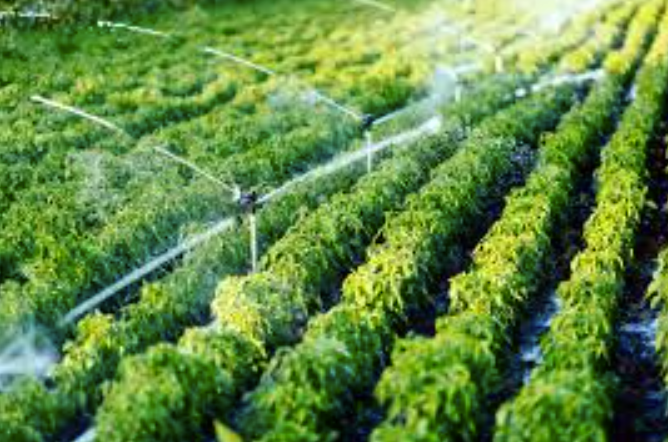
Automated irrigation systems represent a significant advancement in agricultural efficiency. By utilizing advanced technologies, these systems deliver water precisely according to crop requirements. This precision reduces waste and enhances resource management. Furthermore, smart farming integrates data analytics for real-time decision-making, optimizing yields and minimizing environmental impact. As these technologies continue to evolve, their implications for sustainable farming practices warrant close examination. What challenges and opportunities lie ahead in this transformative landscape?
The Basics of Automated Irrigation Systems
Automated irrigation systems, while varying in complexity and design, fundamentally serve the purpose of delivering precise amounts of water to crops based on specific needs.
Drip irrigation, a prominent method, utilizes strategically placed tubes to minimize evaporation and runoff.
Integrating moisture sensors enhances efficiency, ensuring water is supplied only when soil moisture levels drop below optimal thresholds, promoting sustainable agricultural practices.
Benefits of Smart Farming Technologies
The integration of smart farming technologies presents a paradigm shift in agricultural practices, enhancing productivity and resource management.
By leveraging precision agriculture and data analytics, farmers can optimize inputs, reduce waste, and improve crop yields.
These technologies empower producers with real-time insights, facilitating informed decision-making that aligns with sustainable practices and fosters independence.
Ultimately, this revolutionizes the agricultural landscape for a more efficient future.
Key Components of an Effective Irrigation Setup
While various factors contribute to an effective irrigation setup, several key components are essential for optimizing water use and enhancing crop health.
Drip irrigation systems deliver water directly to plant roots, minimizing waste. Coupled with moisture sensors, which monitor soil moisture levels in real-time, farmers can ensure precise irrigation, promoting sustainable practices and maximizing yield while conserving water resources.
See also: motiontechno
Future Trends in Automated Irrigation and Agriculture
Significant advancements in technology are poised to revolutionize automated irrigation and agriculture in the coming years.
Innovations in precision farming, coupled with data analytics and IoT integration, will enhance water efficiency and crop yield.
These developments will foster sustainable agriculture practices by minimizing resource waste and maximizing productivity, ultimately empowering farmers to achieve greater autonomy and adaptability in their operations.
Conclusion
In an era where precision reigns supreme, automated irrigation systems and smart farming technologies emerge as the agricultural superheroes of our time. These innovations not only transform fields into lush, thriving landscapes but also wield the power to revolutionize global food production. By harnessing the might of data analytics and moisture sensors, farmers are not merely cultivating crops; they are orchestrating a miraculous dance of sustainability and efficiency, ensuring that every drop of water is a treasure, deftly maximizing yields while safeguarding precious resources.