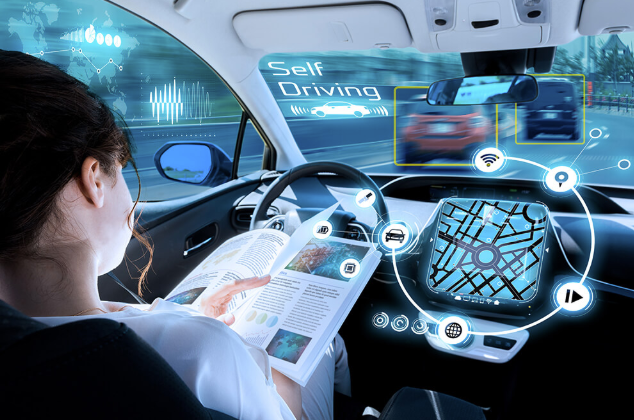
The development of autonomous vehicles represents a pivotal shift in transportation dynamics. By utilizing advanced sensors and algorithms, these vehicles aim to enhance safety and efficiency. However, the journey toward widespread acceptance is fraught with regulatory and ethical dilemmas. As cities adapt to these technological advancements, questions arise about their impact on daily commuting and urban infrastructure. What challenges and opportunities lie ahead in this evolving landscape?
The Current State of Self-Driving Technology
As the landscape of transportation continues to evolve, the current state of self-driving technology reveals a complex interplay of innovation, regulatory challenges, and public perception.
Sensor technology advances, such as LIDAR and computer vision, enhance vehicle autonomy, yet the regulatory framework remains fragmented, hindering widespread implementation.
This tension between technological capability and legislative acceptance shapes the future of autonomous mobility, influencing societal freedom in transportation.
Key Benefits of Autonomous Vehicles
Although the development of autonomous vehicles (AVs) is still in its nascent stages, their potential benefits are already becoming increasingly evident.
Key advantages include significant safety improvements, as AVs utilize advanced sensors and algorithms to reduce human error-related accidents.
Furthermore, enhanced traffic efficiency can be achieved through optimized routing and vehicle-to-vehicle communication, ultimately leading to smoother traffic flow and reduced congestion on roadways.
Ethical Challenges in Autonomous Driving
The rise of autonomous vehicles (AVs) brings forth a myriad of ethical challenges that require careful examination.
Central to this discourse are the moral dilemmas inherent in programming decision algorithms. These algorithms must navigate complex scenarios, raising questions about prioritizing lives and the implications of machine decision-making.
Such ethical considerations are crucial for ensuring that AVs align with societal values and individual freedoms.
See also: Autonomous Delivery Robots
The Future of Transportation: What’s Next for Self-Driving Cars?
What innovations lie ahead in the realm of self-driving cars, and how will they reshape urban landscapes and daily commutes?
As regulatory frameworks evolve, facilitating integration, public perception will significantly influence adoption. Enhanced safety features and improved infrastructure could foster acceptance, while autonomous fleets might redefine mobility access, promoting freedom.
The future promises seamless travel, transforming cities into interconnected hubs of convenience and efficiency.
Conclusion
As the landscape of transportation teeters on the brink of a revolutionary shift, the promise of autonomous vehicles tantalizes with possibilities yet to be realized. However, looming ethical dilemmas and regulatory uncertainties cast shadows over this bright future. Will society embrace the leap into self-driving technology, or will the complexities of human judgment and safety hold it back? The answer lies in the delicate balance between innovation and responsibility, leaving the world on edge as it awaits the next chapter in mobility.
