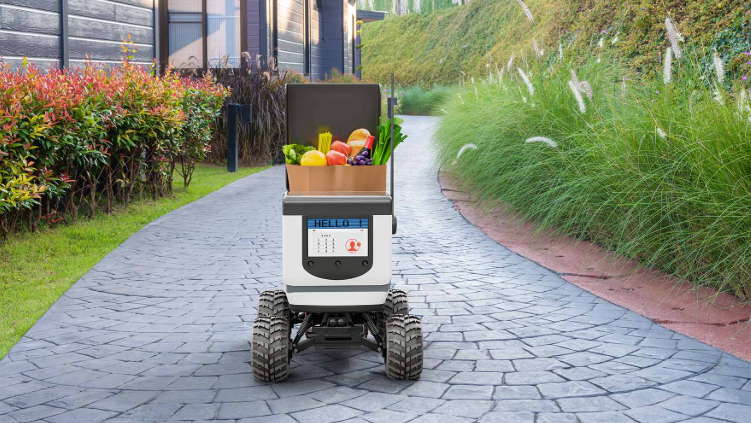
Autonomous delivery robots are emerging as a transformative force in logistics. They utilize sophisticated navigation systems and advanced sensors to navigate urban settings efficiently. While these innovations promise enhanced operational efficiency and reduced costs, they also encounter significant challenges. Issues such as regulatory compliance and public acceptance loom large. As the landscape evolves, the implications for urban mobility and commerce are profound, raising questions about the future of delivery services and consumer interactions.
How Autonomous Delivery Robots Work
As technology advances, the mechanisms behind autonomous delivery robots have become increasingly sophisticated.
These robots utilize advanced robot navigation systems, powered by cutting-edge sensor technology, to traverse complex environments. By integrating cameras, LIDAR, and ultrasonic sensors, they can detect obstacles and make real-time decisions, ensuring efficient and safe deliveries.
Their autonomous nature offers a glimpse into a future where freedom of movement is redefined.
The Benefits of Using Delivery Robots in E-Commerce
The rise of autonomous delivery robots is reshaping the landscape of e-commerce, presenting a multitude of benefits that enhance both operational efficiency and customer satisfaction.
These robots offer remarkable cost efficiency by reducing labor expenses and optimizing delivery routes.
Furthermore, they provide timely and reliable service, elevating the shopping experience.
As a result, businesses can thrive while consumers enjoy greater convenience and reliability.
See also: Automated Irrigation Systems and Smart Farming
Challenges Facing Autonomous Delivery Robots
While autonomous delivery robots promise significant advancements in logistics, several challenges impede their widespread adoption and functionality.
Safety regulations pose hurdles, as governments grapple with creating frameworks that ensure public safety without stifling innovation.
Additionally, public perception remains a concern; many individuals harbor skepticism about the reliability and safety of these robots, which could hinder their acceptance in daily life and commerce.
The Future of Delivery Robots in Urban Environments
Given the rapid advancements in technology and changing consumer expectations, the future of delivery robots in urban environments appears increasingly promising.
These autonomous units are set to revolutionize urban mobility by enhancing delivery logistics, ensuring faster service and reduced congestion.
As cities adapt to these innovations, the integration of delivery robots will empower residents with greater freedom while promoting sustainable urban infrastructure.
Conclusion
In conclusion, autonomous delivery robots represent a significant innovation in urban logistics, with their advanced navigation systems and sensor technology paving the way for a more efficient delivery ecosystem. According to recent studies, the market for last-mile delivery robots is projected to reach $1.4 billion by 2027, highlighting the growing interest and potential in this sector. While challenges such as safety regulations and public perception persist, the future of delivery robots promises to reshape urban mobility and enhance consumer experiences.
