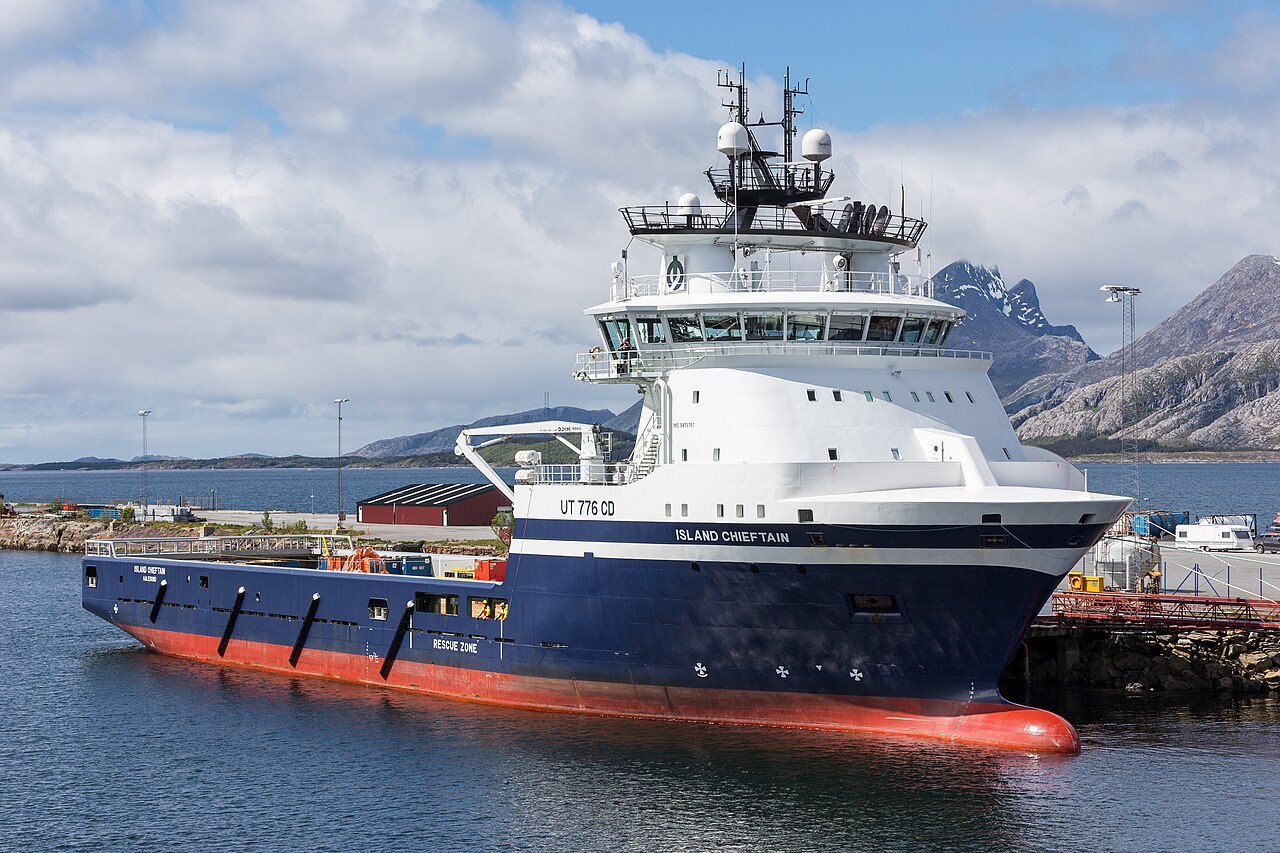
Offshore operations are among the most demanding environments in modern industry. Whether supporting oil and gas platforms, offshore wind farms, or deep-sea infrastructure, every operation depends on a reliable flow of materials, equipment, and personnel. At the center of this complex network stands the PSV vessel, often working behind the scenes but playing a critical role in keeping offshore projects running smoothly.
For many, the term PSV vessel may seem technical, yet its importance is easy to understand. These vessels act as lifelines, transporting essential supplies from shore bases to offshore installations, often in challenging sea conditions. Without them, even the most advanced offshore facilities would struggle to maintain operations.
This article offers a fresh perspective on PSV vessels, exploring their design, functionality, and evolving role in modern offshore logistics. By understanding how these vessels operate and why they are indispensable, readers can gain a deeper appreciation of their contribution to the maritime industry.
What Is a PSV Vessel?
A PSV vessel, short for Platform Supply Vessel, is specifically designed to transport goods, equipment, and materials to offshore platforms. These vessels are built to handle a wide range of cargo, including drilling fluids, fuel, water, and specialized equipment.
Unlike traditional cargo ships, a PSV vessel must operate with precision in close proximity to offshore structures. This requires advanced maneuverability and stability, allowing the vessel to maintain position even in rough seas.
The design of a PSV vessel reflects its purpose. A large open deck provides space for cargo, while internal tanks store liquids. The vessel’s layout is carefully planned to ensure efficient loading and unloading, as well as safe operations under varying conditions.
The Role of PSV Vessels in Offshore Logistics
Offshore logistics is a complex system that depends on timing, coordination, and reliability. A PSV vessel plays a central role in this system by ensuring that offshore installations receive the supplies they need to operate continuously.
These vessels act as a bridge between shore and offshore facilities. They transport essential materials that support drilling, production, and maintenance activities. Without a PSV vessel, operations could face delays, increased costs, and safety risks.
In addition to delivering supplies, PSV vessels often support emergency operations. They can provide backup resources, transport personnel, and assist in critical situations. This versatility makes them an essential part of offshore logistics.
Read Also: Autonomous Vehicles and Self-Driving Technology
Design Features That Define a PSV Vessel
The effectiveness of a PSV vessel lies in its design. Every aspect of the vessel is engineered to meet the demands of offshore operations.
One of the most important features is deck space. The large, open deck allows for flexible cargo arrangements, accommodating everything from containers to heavy equipment. This adaptability is crucial for handling diverse operational needs.
Another key feature is the vessel’s tank system. PSV vessels are equipped with multiple tanks designed to carry different types of liquids, including fuel, water, and drilling fluids. These systems are carefully designed to prevent contamination and ensure safe transport.
Dynamic positioning systems are also a defining characteristic. These systems use advanced technology to maintain the vessel’s position relative to an offshore platform. This is essential for safe loading and unloading operations, especially in challenging weather conditions.
Navigating Challenging Offshore Conditions
Operating in offshore environments presents unique challenges. Rough seas, strong winds, and limited visibility can all impact vessel performance. A PSV vessel must be capable of handling these conditions while maintaining safety and efficiency.
Stability is a critical factor. The vessel’s design must ensure that it remains balanced even when carrying heavy or uneven loads. This is achieved through careful weight distribution and advanced engineering.
Maneuverability is equally important. A PSV vessel often operates in close proximity to offshore platforms, requiring precise control. Advanced propulsion systems and navigation tools enable the vessel to move accurately and safely.
These capabilities allow PSV vessels to operate effectively in environments where reliability is essential.
Technological Advancements in PSV Vessels
Technology is transforming the way PSV vessels operate. Modern vessels are equipped with advanced systems that enhance performance, safety, and efficiency.
Automation plays a significant role in this transformation. Automated systems assist with navigation, cargo handling, and engine management, reducing the workload on crew members and improving accuracy.
Digital monitoring systems provide real-time data on vessel performance. This allows operators to identify potential issues early and make informed decisions. Over time, this data can also be used to optimize operations and improve efficiency.
These technological advancements are making PSV vessels more capable and adaptable, ensuring they can meet the evolving demands of offshore logistics.
Environmental Considerations and Sustainability
Sustainability is becoming an increasingly important factor in the design and operation of PSV vessels. The maritime industry is under pressure to reduce its environmental impact, and PSV vessels are no exception.
Efforts to improve efficiency include optimizing hull designs and propulsion systems to reduce fuel consumption. Cleaner energy sources and hybrid systems are also being explored as part of modern PSV vessel design.
Environmental responsibility extends beyond emissions. PSV vessels must also minimize their impact on marine ecosystems. This includes reducing noise pollution and ensuring safe handling of cargo to prevent spills.
By integrating sustainable practices, PSV vessels are contributing to a more responsible offshore industry.
The Human Element in PSV Vessel Operations
While technology plays a vital role, the success of a PSV vessel depends heavily on its crew. Skilled professionals are required to operate the vessel, manage cargo, and ensure safety at all times.
Crew members must be trained to handle complex systems and respond to challenging situations. This requires a combination of technical knowledge and practical experience.
Working offshore can be demanding, with long hours and unpredictable conditions. Modern PSV vessel design increasingly considers crew comfort and safety, providing better living and working environments.
The human element remains a cornerstone of PSV vessel operations, ensuring that technology and design are effectively applied in real-world scenarios.
The Evolving Role of PSV Vessels
The role of the PSV vessel is evolving as offshore industries expand and diversify. While traditionally associated with oil and gas operations, these vessels are now supporting a wider range of activities.
Offshore renewable energy projects, such as wind farms, are creating new opportunities for PSV vessels. These projects require similar logistical support, including the transport of equipment and maintenance supplies.
This diversification is driving innovation in PSV vessel design and operation. Vessels must be adaptable, capable of supporting different types of offshore activities while maintaining efficiency and reliability.
The evolving role of PSV vessels highlights their importance in a changing maritime landscape.
Challenges Facing PSV Vessel Operations
Despite their importance, PSV vessels face several challenges. Economic pressures, regulatory requirements, and environmental concerns all influence their operation.
Fluctuations in offshore activity can impact demand for PSV vessels. This requires operators to adapt to changing market conditions and find ways to maintain efficiency.
Regulatory requirements are becoming more stringent, particularly in areas related to safety and environmental performance. Meeting these requirements requires ongoing investment in technology and training.
Operational challenges, such as harsh weather and complex logistics, also remain a constant factor. Addressing these challenges requires careful planning and a commitment to continuous improvement.
Frequently Asked Questions (FAQ)
What is a PSV vessel?
A PSV vessel, or Platform Supply Vessel, is a type of ship designed to transport supplies and equipment to offshore platforms and installations.
What does a PSV vessel carry?
A PSV vessel carries a variety of cargo, including drilling fluids, fuel, water, equipment, and containers needed for offshore operations.
Why are PSV vessels important?
PSV vessels are essential for maintaining offshore operations by ensuring a steady supply of materials and support services.
How do PSV vessels maintain position near platforms?
PSV vessels use dynamic positioning systems that allow them to stay in a fixed position relative to offshore structures, even in rough conditions.
Are PSV vessels used outside the oil and gas industry?
Yes, PSV vessels are increasingly used in offshore renewable energy projects and other marine operations.
What technologies are used in modern PSV vessels?
Modern PSV vessels use automation, digital monitoring systems, and advanced navigation tools to improve performance and safety.
How are PSV vessels becoming more sustainable?
PSV vessels are adopting energy-efficient designs, cleaner propulsion systems, and environmentally responsible practices to reduce their impact.
Conclusion
The PSV vessel stands as a vital component of offshore logistics, quietly supporting some of the most complex operations in the maritime world. From transporting essential supplies to ensuring the smooth functioning of offshore installations, these vessels play a role that is both critical and often underappreciated.
As technology advances and industry demands evolve, PSV vessels are adapting to meet new challenges. Their design, capabilities, and operational scope continue to expand, reflecting the changing needs of offshore industries.
Understanding the importance of the PSV vessel provides valuable insight into the broader world of maritime operations. It highlights how engineering, technology, and human expertise come together to create systems that keep offshore activities running efficiently and safely. In many ways, PSV vessels truly are the backbone of offshore logistics, supporting progress far beyond what is visible on the surface.
